
Following jobs and human resources news from Canada
Provided by AGP
Canada-Funded Initiative Results in Major Gains for Biodiversity, Gender Equality and Communities
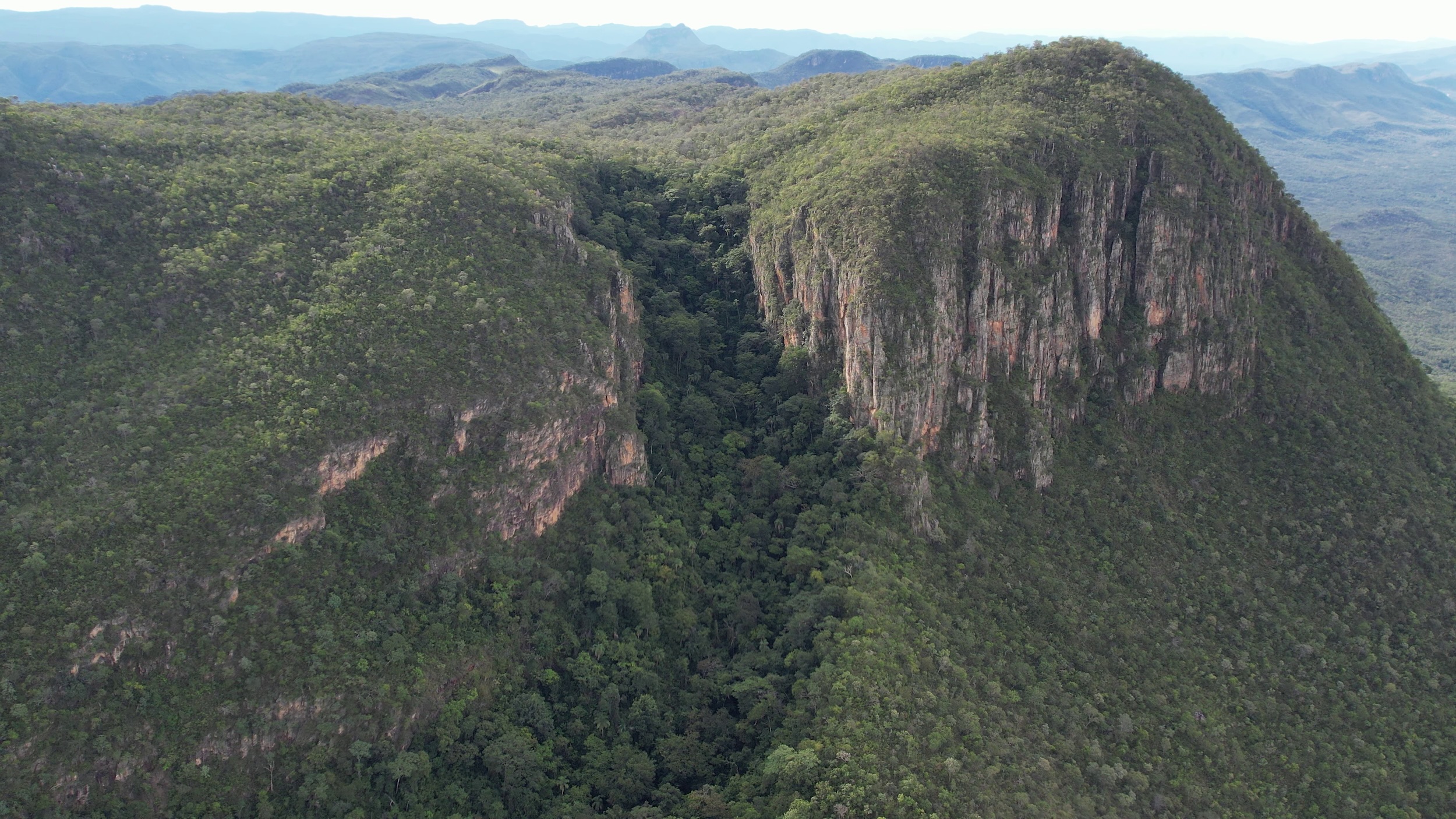
Nascentes Reserva Particular do Patrimônio Natural, a private reserve in Teresina de Goiás, Brazil, with improved management via a project led by CEPF grantee Fundação Pró‑Natureza (Funatura), supported by the Government of Canada. © José Aurélio Caiut
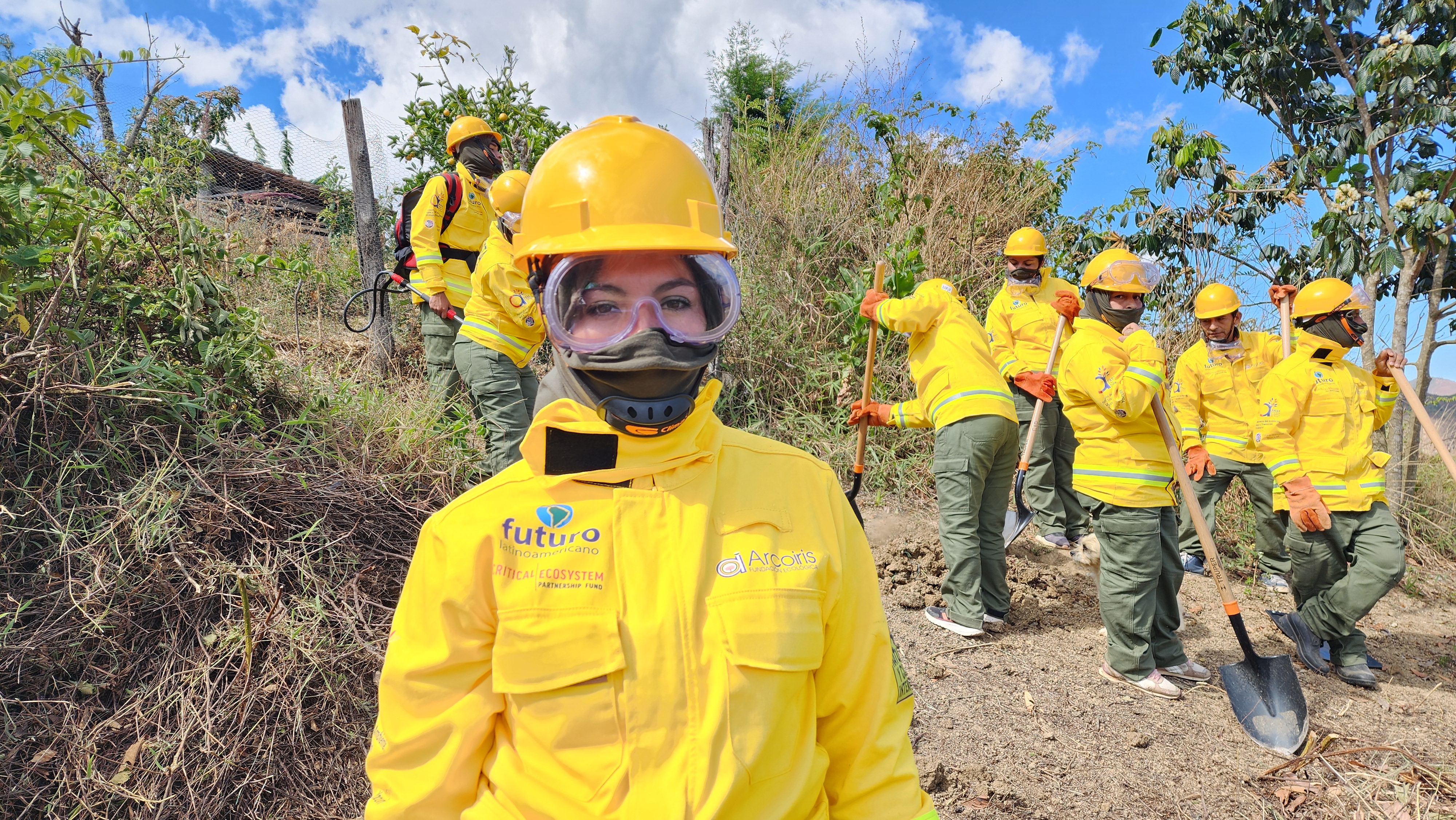
Fire management training conducted through a project led by Fundación Ecológica Arcoiris, EL Airo, Espíndola, Ecuador. The project was supported by the Government of Canada. © Guissella Rivera, Fundación Ecológica Arcoiris

Dielen Costa, Kinikinau Indigenous woman and participant in the women's leadership project led by Ecologia e Ação and Institute for Society, Population and Nature in Brazil, a CEPF project funded with the support of the Government of Canada. © ECOA
CA$20 Million Investment Delivers Community- and Women-Led Conservation of Ecosystems of Global Importance in Eight Countries
ARLINGTON, VA, UNITED STATES, May 21, 2026 /EINPresswire.com/ -- The Government of Canada fueled important advances in conservation and the leadership of women, Indigenous Peoples, and communities in some of the world's most biodiverse ecosystems through CA$20 million (US$14.4 million) of support delivered through the Critical Ecosystem Partnership Fund (CEPF).The investment, made through Global Affairs Canada, funded 100 grants to civil society organizations in the Tropical Andes and Cerrado Biodiversity Hotspots in South America and the Indo-Burma Biodiversity Hotspot in Southeast Asia during 2025. These hotspots host ecosystems that are teeming with biodiversity, provide essential services to humanity, such as fresh water and carbon storage, and are highly threatened. The funding supported community-based conservation and/or sustainable-use initiatives that targeted more than 28,000 square kilometers of Key Biodiversity Areas.
Beneficiaries of the funding included not only civil society organizations but also women, Indigenous Peoples, and local communities that the organizations partnered with to achieve conservation and sustainable management of biodiversity. The funding additionally supported gender equality by strengthening leadership skills among female conservationists and the gender policies and practices of organizations.
The countries benefiting from this investment were:
• Tropical Andes Biodiversity Hotspot: Bolivia, Colombia, Ecuador and Peru.
• Cerrado Biodiversity Hotspot: Brazil.
• Indo-Burma Biodiversity Hotspot: Cambodia, Lao PDR and Thailand.
Examples of results to date include:
• 12,800 square kilometers of Key Biodiversity Areas and 88 globally threatened species with reduced threats from fires, illegal hunting, encroachment and mining.
• Improved land tenure, food security and water access for 89,454 women and 91,413 men.
• New or updated gender action plans for 93 organizations.
• 86 organizations implementing actions that support gender equality, such as zero-tolerance policies on sexual exploitation, abuse, and harassment; gender-sensitive hiring; childcare provisions; women’s mentorship and leadership pathways.
• Among grant-recipient organizations, 57 more women in technical roles, 17 more women in supervisory roles and 22 more women in leadership roles.
“Protecting the world’s most biodiverse ecosystems is not only vital for the local communities who live in them; it is also an investment in the wellbeing of Canadians. Our economies are embedded in nature, not external to it. Canadians depend on goods and services provided by ecosystems outside of Canada. The results of our support for CEPF reflect Canada’s commitment to practical, locally driven solutions to create positive results for people and the planet.” said Céline Heinbecker, Director, Environment and Climate Partnerships Division, Global Affairs Canada.
The funding was from Canada’s International Biodiversity Program (2023-2026), which helped developing countries to implement the Kunming-Montreal Global Biodiversity Framework to halt and reverse global biodiversity loss. The Program supported partnerships with women, local communities and Indigenous Peoples, and targeted conservation and restoration efforts.
CEPF is a joint initiative that includes the Government of Canada as well as l’Agence Française de Développement, Conservation International, the European Union, Fondation Franklinia, Fondation Hans Wilsdorf, the Global Environment Facility, the Government of Japan, Hempel Foundation, The Nature Conservancy and the World Bank. The initiative supports civil society to protect the world’s biodiversity hotspots: biologically rich ecosystems that are essential to humanity, yet highly threatened.
"The results achieved thanks to the funding from the Government of Canada have provided a powerful demonstration of what is possible when conservation is community-led and gender equality is prioritized," said Olivier Langrand, CEPF's executive director.
The following organizations served as CEPF's regional implementation teams for the Canada-funded initiative, helping to build local capacity and implement CEPF’s conservation strategy:
• For Cerrado: Instituto Internacional de Educação do Brasil (IEB)
• For Indo-Burma: International Union for the Conservation of Nature (IUCN) Asia
• For Tropical Andes: Fondo de Promoción de las Áreas Naturales Protegidas (PROFONANPE), Peru; Asociación Boliviana para la Investigación y Conservación de Ecosistemas Andino Amazónicos (ACEAA), Bolivia; Fondo Patrimonio Natural, Colombia; Fundación Futuro Latinoamericano (FFLA), Ecuador
The long-term commitment of CEPF to the three target hotspots supported by the Government of Canada investment means that CEPF will continue efforts to sustain and build on the results achieved. Best practices gathered through the grants are being shared via CEPF's Learning Hub.
For project examples and direct links to the best practices materials: https://www.cepf.net/bestpracticesandprojects
Photographs available for download here: https://mediagraph.io/ci/share-links/556458a5f2b98a07
Contact: Critical Ecosystem Partnership Fund: Julie Shaw, jshaw@cepf.net
About Global Affairs Canada
Global Affairs Canada, a department of the Government of Canada, defines, shapes and advances Canada’s interests and values in a complex global environment. It manages diplomatic relations, promotes international trade and provides consular assistance. It leads international development, humanitarian, and peace and security assistance efforts. It also contributes to national security and the development of international law. Learn more at www.international.gc.ca, X, Facebook, Instagram, LinkedIn.
About the Critical Ecosystem Partnership Fund
The Critical Ecosystem Partnership Fund (CEPF) fills a unique, strategic role in addressing the extinction and climate crises by mobilizing and supporting civil society—nongovernmental organizations, Indigenous and local communities, academic institutions and more—to protect the world's biodiversity hotspots. The fund is a joint initiative of l’Agence Française de Développement, Conservation International, the European Union, Fondation Franklinia, Fondation Hans Wilsdorf, the Global Environment Facility, the Government of Canada, the Government of Japan, Hempel Foundation, The Nature Conservancy and the World Bank. Since 2001, CEPF has catalyzed enduring, locally led biodiversity conservation through over US$345 million in grants to more than 2,800 organizations in 112 developing and transitional countries. Results include more than 17 million hectares of formal protected areas established, more than 1,300 globally threatened species supported, and more than 6,700 communities benefiting. Learn more at www.cepf.net.
Julie Shaw
Critical Ecosystem Partnership Fund
jshaw@cepf.net
Visit us on social media:
LinkedIn
Instagram
Facebook
YouTube
Legal Disclaimer:
EIN Presswire provides this news content "as is" without warranty of any kind. We do not accept any responsibility or liability for the accuracy, content, images, videos, licenses, completeness, legality, or reliability of the information contained in this article. If you have any complaints or copyright issues related to this article, kindly contact the author above.
